Kilimanjaro NP
Kilimanjaro is a dormant volcano in northern Tanzania that covers a total area of 1,688 square kilometers (652 sq. mi, it stands at 5896m and is the highest peak in the whole African continent. It is also the highest free-standing mountain in the world and one of the world’s highest volcanoes. The mountain has three volcanic peaks which are Kibo, Shira, and Mawenzi. The park was established as a national park in 1977. Mt Kilimanjaro National Park is among Tanzania’s most visited parks, unlike the other northern parks, this isn’t a place for a wildlife view, although it’s there. Rather, people visit the area to trek the amazing snow-capped mountain on the equator, and to climb to the top of Africa.
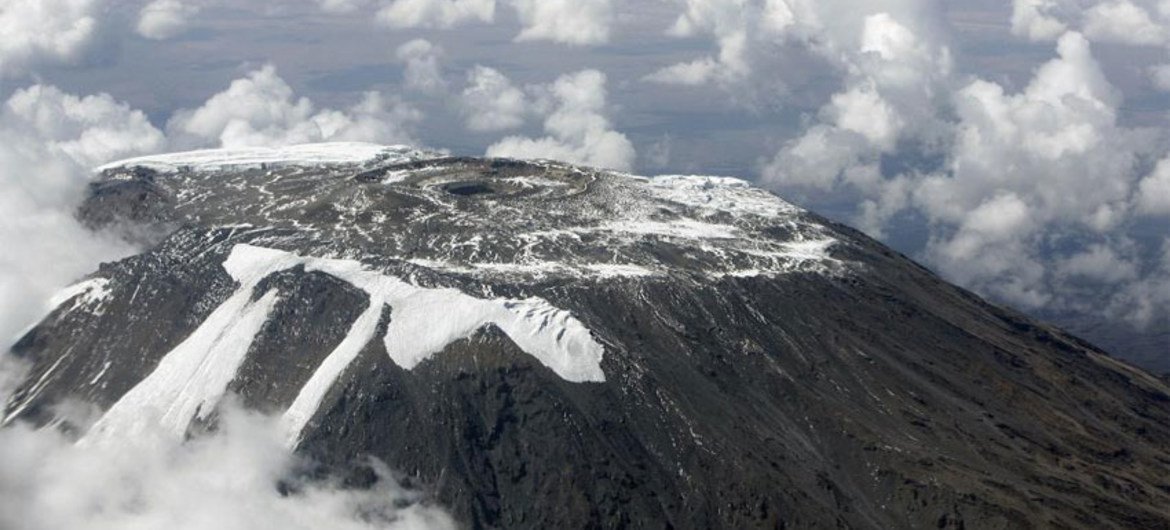
Kilimanjaro is a dormant volcano in northern Tanzania that covers a total area of 1,688 square kilometers (652 sq. mi, it stands at 5896m and is the highest peak in the whole African continent. It is also the highest free-standing mountain in the world and one of the world’s highest volcanoes. The mountain has three volcanic peaks which are Kibo, Shira, and Mawenzi.
The park was established as a national park in 1977. Mt Kilimanjaro National Park is among Tanzania’s most visited parks, unlike the other northern parks, this isn’t a place for a wildlife view, although it’s there. Rather, people visit the area to trek the amazing snow-capped mountain on the equator, and to climb to the top of Africa.
- Mount Kilimanjaro is more popular than the country it’s in (Tanzania)
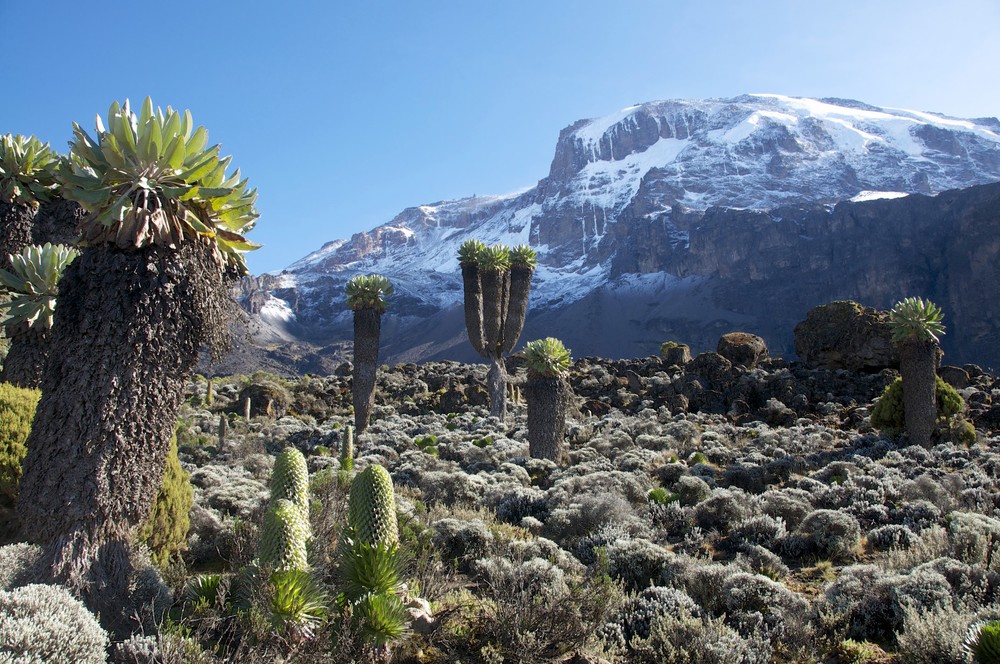
Nearly every kind of ecological system is found on the mountain, cultivated land, rain forest, heath, moorland, alpine desert, and an arctic summit (Uhuru).
- Kilimanjaro is one of few places in Africa with permanent snow
Getting to
The best airport to fly into is Kilimanjaro international airport, from there our team will pick you up, and transfer you to your hotel where you will be collected by the guide before your hike.
Alternatively, you can fly to Dar es salaam international airport, Zanzibar international airport, or Nairobi international airport from there you can take a local flight to Kilimanjaro airport or Arusha airport where our team can pick you up.
Biking In Kilimanjaro.
One of the great and tough challenges to conquering Mount Kilimanjaro.
This kind of adventure is suitable for an experienced biker with a very high level of fitness. the rocky slopes above 15000 ft and the height in general of 19000 ft will test the power of each cyclist and his/her bike. This can be done in an individual or group travel.
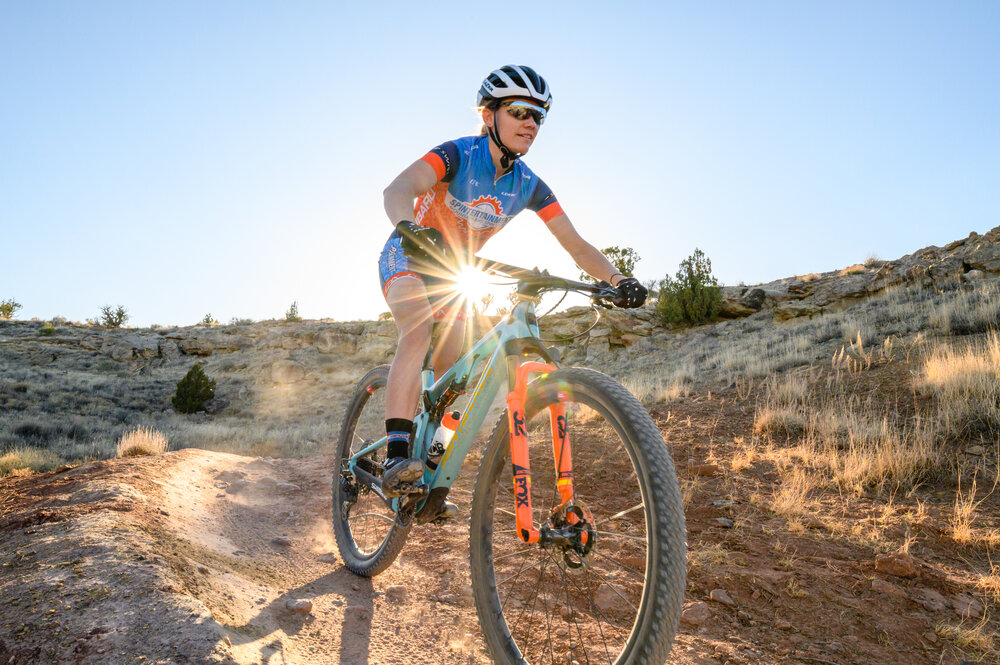
It is the best for people who are dreaming to conquer Mt Kilimanjaro in a unique way;
Yes! you will explore and reach Uhuru Peak 19340 ft on a two-wheel, tough challenge isn’t it? It is planned to ride from Kilema Gate to Kilema Camp with one night in a tent then to Horombo Hut and there joining the Marangu Route and then to Kibo hut. Reaching the top and riding past a few pieces of ice shelves to Uhuru Peak is tough due to the altitude but once you accomplish you will be proud of it. The 12000 ft descent over a day and a half is one of the longest in the world.
The Kilema Mountain bike trail runs parallel to the Marangu route. The Kilema route is mostly used as an access road by cars to bring supplies to the Horombo hut and to evacuate medical emergencies from Horombo hut. The route from Kilema gate to Horombo hut is a 4 x 4 gravel road, which is usually in fair condition.
Cost of climbing
Many adventure enthusiasts around the world dream of conquering Africa’s peak, Mount Kilimanjaro standing 5895m high, offers one of the best destinations to hike and a must-visit if you are set to conquer the 7 peaks of the world, The Kilimanjaro is a relatively expensive hike with prices ranging from 1200$ USD to over 5000$ USD making travelers around the world more cautious when choosing a deal, as most are focused on a great value & sustainable deal.
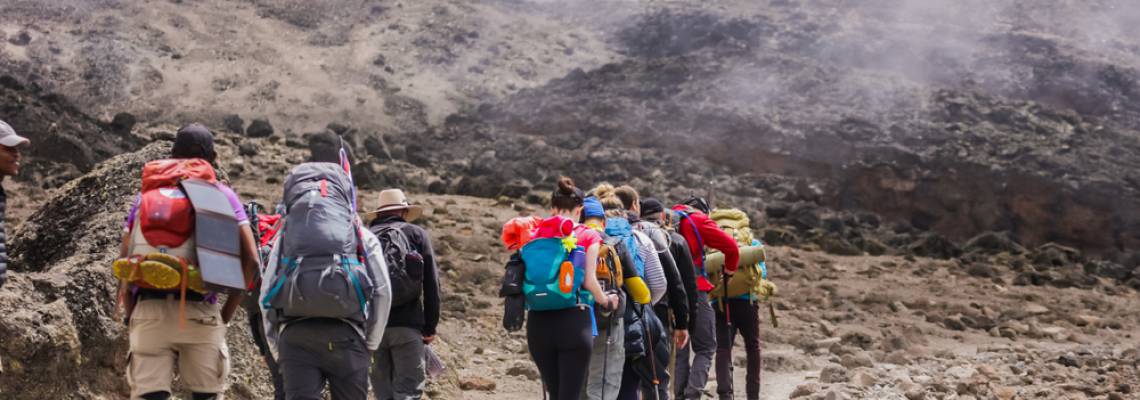
However, in case of the Kilimanjaro, a sustainable deal is not just the one agreed upon between the traveler & the agency, as some operators provide very low-priced deals but this can leave behind a community of porters exploited, bear in mind porters do the hardest part in making your journey possible & mostly left behind exploited (paid less than the minimum required by law & left to survive of tips at the pity of clients). So to your benefit, we will help travelers by providing (much-needed closure) a breakdown of the cost of the hike so travelers have some idea of where the money goes & sustainable deals
Note: those who will opt for agencies with the lowest deals available should make sure their tips should not only rectify the wage unjust caused but also reward the hardest working group on Kilimanjaro.
Cost breakdown of the Kilimanjaro hike (direct costs associated with the hike)
1. Park fees-this are fees paid directly to the park authorities so the client & the crew can proceed to the park, these fees are non-negotiable also cannot be avoided however travelers below 16 years of age do enjoy a discount.
Park fees
- Rescue fees 20$ per person per trek
- Entrance fees 70$ per person per day
- Camping fees 50$ per person per night (hut fees for the Marangu route 60$ per person per night)
- Crew fees 2$ per crew per trek
Note: park fees + (its vat 18%) cannot under any circumstance be reduced, avoided, or evaded.
2. Wages – wages will be paid to the crew (porters, guide, cook, assistant guide) however these costs are variable as the crew will increase relatively lower ass group size increases.
Minimum wages requirement for Kilimanjaro hike crew
- Porter 10 $ per day
- Guide 20 $ per day
- Assistant guide 15 $ per day
- Cook 15 $ per day
3. Transport– transportation to & from the hiking trail & to your hotel in Arusha or Moshi, this cost is also variable (110 $ USD – 170 $ USD).
Food- the total bill for your meals & the crew’s meals, this cost is variable from 220 $ USD.
Vat (value added tax) – the added tax is a standard 18% on all products & services within the country.
Add on – Some equipment such as a private toilet. we don’t consider it a necessity & will provide them with extra payments. These additions can increase the cost of your hike e.g. it will need an extra porter to carry the private toilet & of course added cost of the equipment being used.
(indirect costs)
The company does incur administrative costs which can’t be directly traced to the cost
(extra costs you will or can incur).
Tipping – after seeing the minimum wage & the breakdown of what you pay for it is now clearer that tipping is a necessity for the crew, therefore, becomes obligatory for the client however it won’t be enforced but it is greatly recommended (see more on Kilimanjaro tipping guideline & why).
Note: tips will be provided directly to the crew by the client & are not included in the hike price.
Gear rental – you should expect to rent some gear if you are not fully equipped for the hike
best time to climb
When to climb Mount Kilimanjaro is an important decision one that not only affects having a successful hike but your overall experience. To your benefit, we have created a list of things you should consider when you have to make the decision on when you should hike Africa’s highest mountain.
Factors you should consider when choosing when to hike Mount Kilimanjaro
Weather is the ultimate factor, the Kilimanjaro being near the equator we face only dry or wet(rainy) seasons, with the dry season favored as it makes the hike less challenging therefore having more success chances. The rainy season is less favorable as you will slog through very deep mud in the first days, at a higher altitude you fight your way through ice, snow, and fog with moisture in your clothes, and gear you will not only be facing a challenge to the summit but risking your health through the process
Tip: bad weather on Kilimanjaro will ruin your overall experience, and your photos and will make the hike twice as hard
See the table below to know more about the month-by-month temperature, precipitation, cloudiness, and crowds.