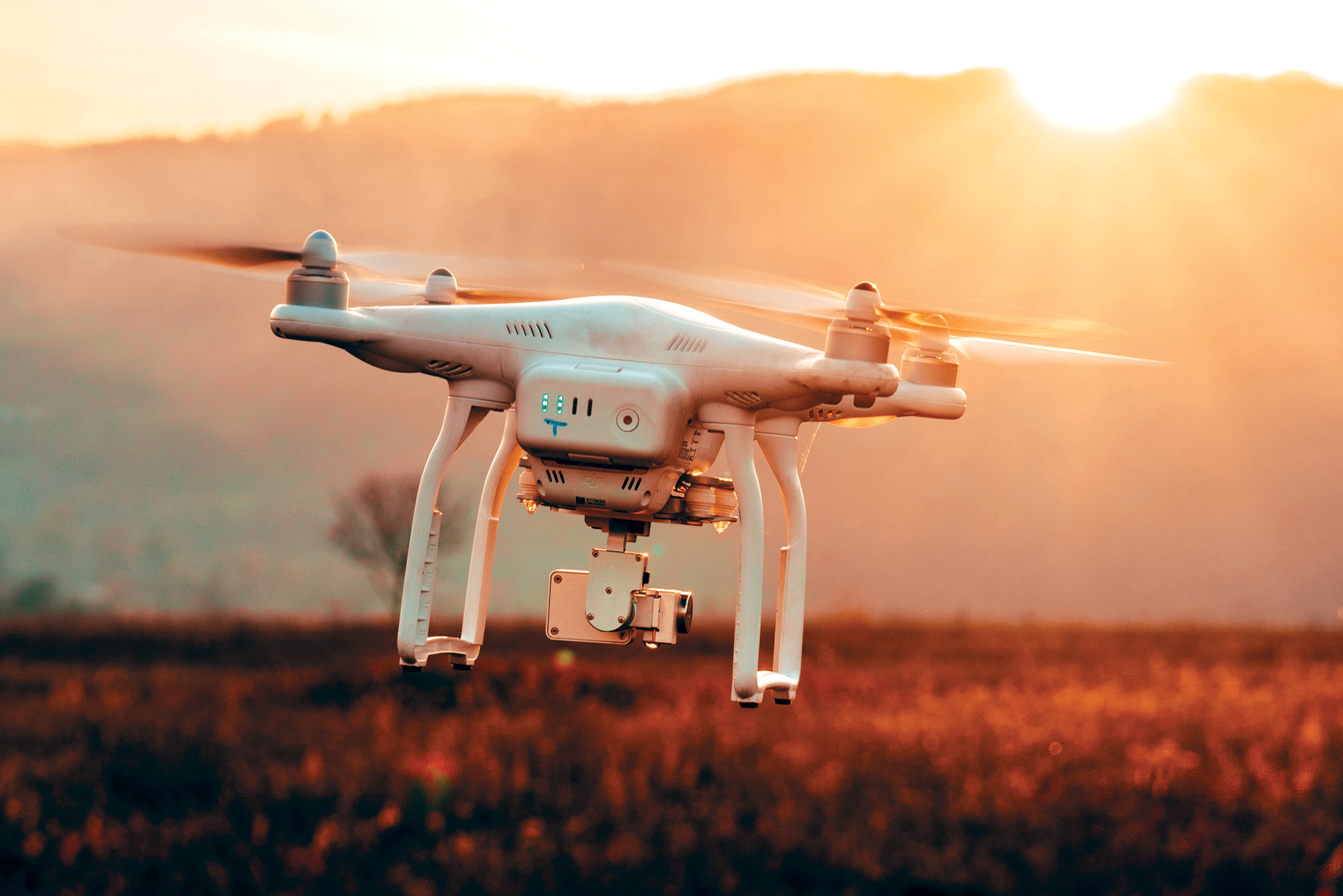
Thinking about bringing your drone to Tanzania? That is a great question many travelers ask. In late 2018, Tanzania introduced new rules for drone use in the country. Now, every drone in Tanzania must be registered. In order to fly a drone in Tanzania, you must follow the country’s drone regulations. Here are the regulations you need to follow.
Drone Use Considerations in Tanzania
If you want to bring your drone to Tanzania, you need to read these special considerations from the Tanzania Civil Aviation Authority for foreigners who wish to fly drones in the country.
Only drones weighing 7 kilograms or 15.5 pounds or less may be flown in Tanzania.
To fly a drone in Tanzania, you must obtain permission from the Tanzania Civil Aviation Authority.
Also, to fly a drone in Tanzania, foreigners must obtain permission from the Ministry of Defense and National Service first.
You must obtain a permit from the Filming Board of Tanzania.
To fly a drone in Tanzania for any purpose, whether entertainment or commercial, you must hold a certificate from your home country that authenticates your ability to fly a drone.
You need proof of possession of the drone, such as a receipt, and you must pay a registration fee of 100 US dollars.
You must be at least 21 years old. You also need a recent medical certificate, English language skills, a radio telephony license, and you must pass knowledge and skills tests. A fee of 200 US dollars may also be due.
If you are flying drones for commercial purposes, you need an operator certificate and flight permits. Aerial photographs must be announced in advance and, where appropriate, approved by security authorities.
Flying Drones in Tanzania’s National Parks
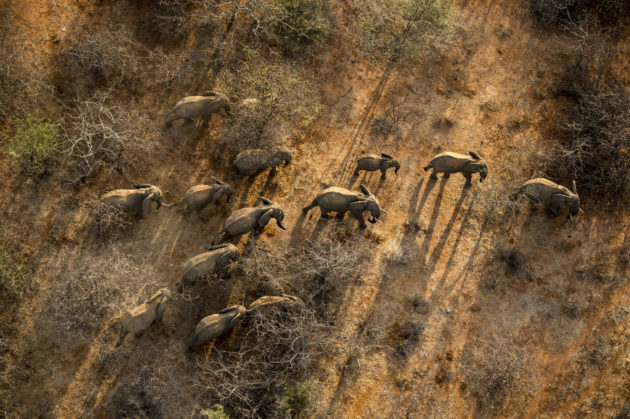
As you prepare for your safari, you may have thought about bringing a drone with you for those amazing aerial shots, right? But you should ask yourself, are drones allowed in Tanzania’s national parks?
The answer is no. Drones are not allowed in any of the Tanzania national parks for regular tourists. However, permission may be approved if you request and obtain a permit from the authorities.
Why Drones Are Not Allowed Inside Parks
There are several important reasons for this rule. First, drones cause disruption to wild animals and can cause injury to them and to other tourists. Second, drones have often been used by poachers to hunt down animals.
Another reason drones are not allowed in national parks is that the humming sounds cause chaos for animals. The noise may lead animals to stampede, which can result in injuries and even death.
What It Costs to Fly Drones in Tanzania’s National Parks
For you to fly a drone in national parks, you will need a large sum of money to pay the park authorities. This money helps ensure the safety of the animals and other tourists while you are flying your drone.
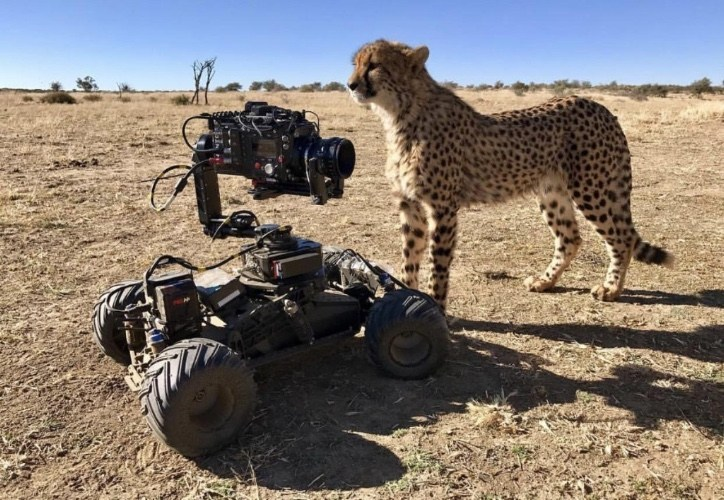
The park authorities have not stated an exact cost, but it is quite expensive and is usually reserved for television networks or film crews who can afford it. If you can afford it, you can find more procedures for using drones in Tanzania’s national parks through the authorities.
Where to Fly Drones in Tanzania
Apart from the national parks, there are other places where drone flying is not allowed. You cannot fly drones near an airport or within city limits. Other than those restricted areas, you are allowed to fly drones within Tanzania as long as you have the necessary permits and licenses. That is good news, is it not?
Final Words
As you can see, it is quite difficult for a tourist in Tanzania to fly their drone legally in the country. We advise that you should not consider bringing a drone on your safari unless you really want aerial view footage in the parks. In that case, our team is here to help you get everything needed for using drones in the country. Additional charges will apply for this complex task. And remember, all procedures should be completed before your arrival in Tanzania.
Additional Note
For further information, you can contact the Tanzania Civil Aviation Authority. You can also ask the Tanzanian embassy in your country for more details about the regulations.