
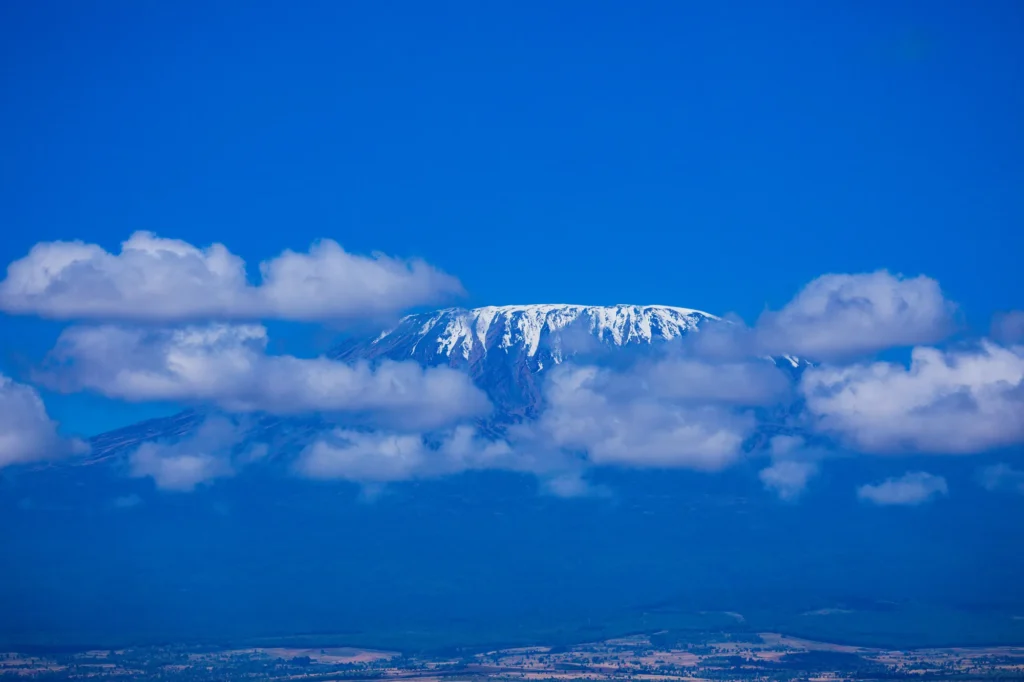
So You Want to Climb Kilimanjaro? Let’s Talk About What It’s Really Like.
First off, forget the Hollywood image of a few people in puffy jackets casually strolling to the top of Africa. Climbing Kilimanjaro (that’s 5,895 meters up, by the way higher than most planes fly on short-haul routes) is not a walk in the park. It’s a foot-sore, breath-stealing, what am I doing here at 3 am kind of adventure.
But it is also one of the most incredible things you will ever do.
I’ve seen people cry at the summit not from sadness, but from the sheer shock of actually making it. And I’ve seen fit, gym-obsessed guys turn around at 4,500 meters because they didn’t respect the altitude. The mountain doesn’t care how much you bench press. It cares about how well you listen to your body and your guides.
So, if you are serious about standing on the roof of Tanzania, let me save you the trial-and-error phase. Here is the real deal on routes, weather, costs, and that sneaky thing called altitude sickness.
Choosing Your Path: It’s Not Just About the Views
There are seven main trails up this old volcano. Some are crowded, some are lonely. Some are short and punchy, others are long and gentle. You need to pick based on your legs and your lungs, not just the Instagram photos.
The Machame Route (6-7 days) – The “Whiskey” Route
This is the most popular for a reason. It’s scenic, tough, and gives you a decent shot at acclimatizing. You climb high and sleep low, which is the secret to not getting sick. You will camp in tents, eat porridge in the rain, and wake up to views that make your soul hurt. Success rate hovers around 83%. Solid choice.
The Marangu Route (5-6 days) – The “Coca-Cola” Route
The only one with dorm huts instead of tents. Sounds easier? It’s a trap. Because it’s shorter, you go up faster, which means your body has less time to get used to the thin air. You see a lot of people turning back on this route simply because they ran out of days to acclimatize. Great if you hate sleeping on the ground, bad if you want the best odds of summiting.
The Lemosho Route (7-8 days) – The “Scenic” Route
If you have the time and the budget, just book this one. It starts in the west, away from the crowds, and cuts through pristine rainforest. You might see buffalo or elephants down on the trail. It’s longer, which is actually good—higher success rate (over 90%). You will be tired, but you will likely reach the top.
The Umbwe Route (6 days) – Don’t do this one first.
Just a warning. Umbwe is the shortcut from hell. It’s steep, relentless, and meant for serious mountaineers or gluttons for punishment. If you are a beginner, save your knees and skip this.
The Real Reason People Fail (It’s Not Fitness)
Here is the hard truth. I’ve watched marathon runners puke their guts out at Barranco Camp, and I’ve watched a 65-year-old grandfather from Texas walk past them like he was going to the mailbox.
Why? Acclimatization.
Altitude sickness does not care about your ego. The air at 5,000 meters has roughly half the oxygen of the air at sea level. You will get a headache. You will feel weird. You won’t want to eat your dinner.
The trick is to drink water. Like, constantly. 4 to 5 liters a day. And walk slow. “Pole pole” (slowly, slowly) as the guides say. If you rush, the altitude will floor you.
Also, listen to your guide. If they say turn around, turn around. The mountain will still be there next year. Your health won’t be.
What About the Weather? (Spoiler: It’s Crazy)
You will sweat in the rainforest zone (day one). You will shiver in the arctic zone (summit night). You need to pack for all four seasons.
- Wet seasons: March to May (long rains) and November (short rains). Avoid these unless you like mud.
- Dry seasons: June to October (busy, cold at night) and December to February (warmer, clearer skies).
Expect summit night to be around -10°C to -20°C at the crater. That wind? It bites through cheap jackets. Do not rent boots that haven’t been broken in. You will have blisters the size of grapes.
The Cost: Why You Shouldn’t Be Cheap
You will see operators offering climbs for $1,000 or less. Run away.
A proper Kilimanjaro climb has a lot of moving parts. You have:
- Park fees (the government is strict about these)
- Rescue fees (mandatory, in case you fall)
- A crew of guides, cooks, and porters (these guys carry your tent, your food, your toilet they are the heroes)
- Quality food and fuel
A realistic budget for a standard climb is between 2,000and2,000and3,500. For a premium route like Lemosho or Northern Circuit, expect to pay more. You are paying for safety and success. That extra $500 for an experienced guide is the best money you will ever spend.
The Climb Itself (A Typical Day)
Let me paint the picture.
Wake up at 6 AM. A porter brings you warm water for washing (luxury!). You eat a massive breakfast of porridge, eggs, and toast because you will burn 5,000 calories today.
Then you walk. For 4 to 7 hours.
You walk through heather, then moorland, then desert.
The air gets thinner. Your pack feels heavier.
You reach camp around 2 PM. Tired, dusty, happy.
Then comes the hard part: Summit Night.
You get woken up at 11 PM. It’s dark. It’s freezing. You put on every layer you brought.
You start walking at midnight.
Up. And up. And up.
Switchback after switchback. The gravel slips under your boots.
Your head hurts. You want to sleep.
But you keep putting one foot in front of the other.
At dawn, you hit Stella Point (5,756m). And then, an hour later, you are there.
Uhuru Peak.
The glacier is right there. The sun is rising over the African plain. And you are crying because you are exhausted and amazed at the same time.
Then you have to walk down. Which is honestly a different kind of torture on the knees.
Should You Do a Safari Too?
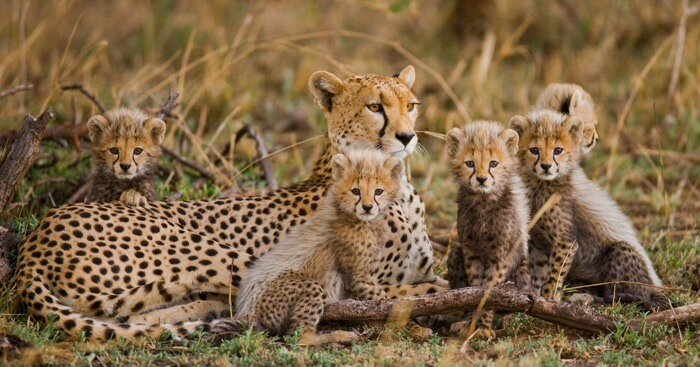
Most people do. You are already in Tanzania. You are already tired. But the national parks (Ngorongoro Crater, Serengeti) are right there.
Nothing heals sore legs like sitting in a Land Cruiser watching a lion nap under a tree. It’s the perfect “reward” after the discipline of the mountain. If you have the time and budget, combine the two. You won’t regret it.
The Bottom Line
Climbing Kilimanjaro is expensive, uncomfortable, and physically demanding. You will be dirty, tired, and grumpy at least once.
But when you get home, you won’t remember the headache. You will remember the stars above Mawenzi peak. You will remember the taste of hot tea at 10,000 feet. And you will remember the feeling of standing on the roof of Africa, knowing you earned every single inch.